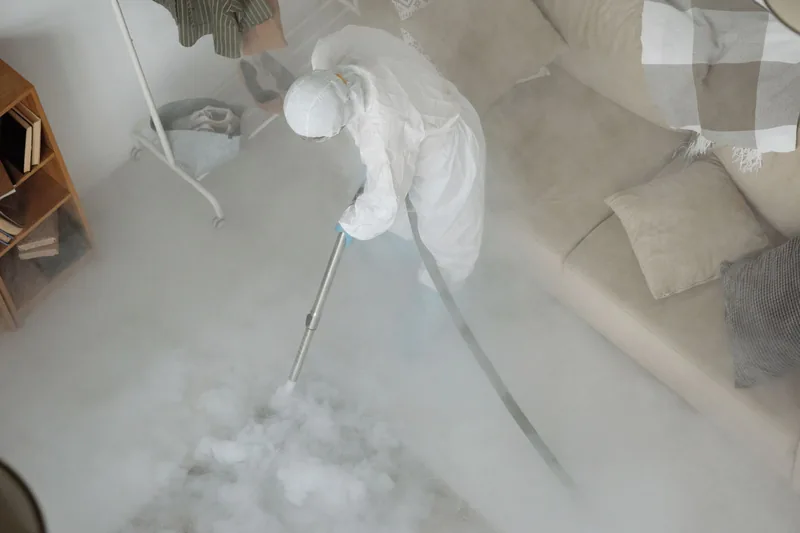
Biohazard Decontamination
Rooms, surfaces and air receive complete decontamination following infectious or hazardous exposure.
See biohazard decontaminationInfectious matter, including blood and bodily fluids, can be removed from your vehicle, business or home. Workers isolate the contaminated area, clean and disinfect it, then transport the resulting waste for proper disposal.
Biohazard cleanup is the controlled removal, cleaning and disinfection of blood, bodily fluids and other material that may carry harmful microorganisms.
Biohazards may follow an injury or death, a crime scene, backed-up sewage, an infectious illness or extreme hoarding. They can occur outdoors or inside a vehicle, hotel, business, apartment or house. The aim is to control the surrounding space, locate all contamination, discard what cannot be cleaned and disinfect everything suitable to remain.
Biohazard cleaning is different from ordinary house cleaning. Trained technicians use protective equipment, controlled work zones and products chosen for the material involved. They follow the label contact time for EPA-registered disinfectants. Waste is sealed, labeled and moved under the rules that apply in your state, instead of being placed loose in household trash.
You can help evaluate personal property if conditions permit. Important items are separated for cleaning, specialist care or safe return.
Photos, the work scope, invoices and available disposal records can be organized for your insurance claim and property file.
Your circumstances are treated privately throughout cleanup. Unmarked vehicles and a restricted cleanup zone help crews maintain discretion at your property.
You receive an explanation of affected materials, items that can be kept, necessary removals and proposed cleanup steps before work begins.
You may need biohazard cleanup when attempting normal cleaning would risk contact with bloodborne pathogens, contamination or infectious material. Typical situations include:
Nearby belongings, carpet underlay, grout and gaps in flooring may be reached by blood. Treatment covers the affected area completely because a biohazard cleaner examines more than the visible stain.
Hoarding cleanup services may be needed when human waste, animal waste, spoiled material, sharps or other contamination is mixed with household contents.
Cleaning can focus on common rooms, high-contact areas and objects associated with the illness exposure, with a disinfectant chosen for the surface and organism.
Only a released scene can move forward to crime scene cleaning. It may involve fingerprint powder removal, blood cleanup, disinfection, odor treatment and waste disposal.
Start by keeping people from making contact with the material or carrying it elsewhere. While professional cleaning is being arranged, follow these steps:
Call (888) 440-9227Published guides show a wide range because biohazard cleanup may involve one hard surface or several rooms with absorbed fluids. Fixr lists a typical national range of $3,000 to $5,000 and a full published span of $1,500 to $25,000. Yelp Costs lists a residential average range of $1,800 to $4,500. The scope can be assessed only after the affected materials and disposal needs are known.
These ranges come from published national cost guides, not from a site visit. You learn what your property will cost after the on-site assessment and before any work begins.
Ask about cost: (888) 440-9227Insurance may pay for biohazard cleanup when the policy covers its cause. Coverage depends on the event and the policy's limits, deductible and exclusions.
Find out what documentation your insurance company requires. A documented work scope, pictures, billing records and disposal paperwork can assist with the claim evaluation.
Responsibility can depend on where the event occurred, the lease, the cause and local rules. Before anything is moved, property owners and tenants should record the conditions and contact their insurers.
Victims of violent crime, and anyone who paid crime scene cleanup costs, can ask the Connecticut Judicial Branch's Office of Victim Services, which lists crime scene clean-up among eligible expenses, about a compensation claim. Insurance is usually checked first.
Notify the insurance company of the event and ask about coverage for cleanup, damaged building components, personal property and restoration. Keep the claim identifier and information for contacting the adjuster.
Planning begins with what the contaminant is, which materials came in contact with it and where it could have traveled. The steps control its spread as the space is prepared for safe use again.
Cleanup technicians inspect the affected and surrounding areas, identify porous and non-porous materials, document conditions and explain the proposed scope to you.
Barriers divide the cleanup area from clean parts of the property. Technicians use personal protective equipment suited to the exposure and may control airflow when particles or odor could travel.
Carpet, pad, drywall, insulation, mattresses or unfinished wood that absorbed contamination may be cut out and placed in sealed containers.
Disinfectant must contact the surface to work, so visible material is cleaned away beforehand. Cleaning techniques and tools are matched to the surface finish.
After cleaning, surfaces receive an EPA-registered disinfectant and remain wet throughout the complete contact period stated on its label.
Before treating indoor air, workers remove the source material. HEPA air scrubbers and other odor methods may be used based on the room, the remaining materials and occupancy.
Waste receives packaging and labels that match its disposal path. Records can show which waste was taken away and where it went.
A final check follows cleaning of the work zone. The final explanation covers completed cleaning, removed items and possible restoration that has yet to be done.
You can call anytime. A specialist in biohazard cleanup takes your call, explains each step and agrees on a start time with you.
Biohazards can be unsafe because infectious material, sharps and contamination beneath visible surfaces may be present. A quick surface wipe does not necessarily remove those risks.
Sharp metal, needles and fragments of glass may cut through gloves and bags. Contaminated waste needs the right container and disposal route for the material involved.
Cleaning after a death, suicide or serious injury can be deeply distressing. Cleanup workers use protective equipment, so you do not have to see the affected area while the work is completed.
Fluid can pass through carpet, reach joints in the subfloor, run under trim and move behind wall finishes. Only a portion of the affected area may appear as a visible mark.
Can you clean it yourself? Wearing disposable gloves, you may address a very small amount spilled on sealed, non-porous material by applying an EPA-registered disinfectant for every minute of label contact time. Avoid cleaning if fluid entered wood, carpet, furniture or drywall, if any sharps are involved, or if the boundary of contamination is uncertain.
Cleanup time varies with the size of the affected space, the materials present and how deeply contamination traveled. One visit may be enough for a small area on a hard surface. Multiple visits plus later restoration may be necessary when several rooms, persistent odors or structural removal are involved.
| Scene | Typical time on site |
|---|---|
| Small surface area | One visit may cover the assessment, cleanup and disinfection |
| One room with porous materials | Cleaning, removing materials and treating smells can take multiple visits |
| Several rooms or structural contamination | Restoration follows cleanup as a separately planned stage |
The source must first be located and removed to address an odor. Covering it with paint, fragrance or a surface spray cannot resolve fluid inside wall cavities, furniture, nearby belongings, subfloor or carpet pad. Those possible locations need inspection before selecting a treatment for the air.
Once the source is gone and surfaces are clean, HEPA air scrubbers may collect particles suspended in the air. Options for lingering odor can include hydroxyl treatment, other methods or ozone used inside a controlled, unoccupied space. Conditions, materials and occupancy guide that decision. Returns and vents in the HVAC system are inspected if moving air may have spread odor nearby.
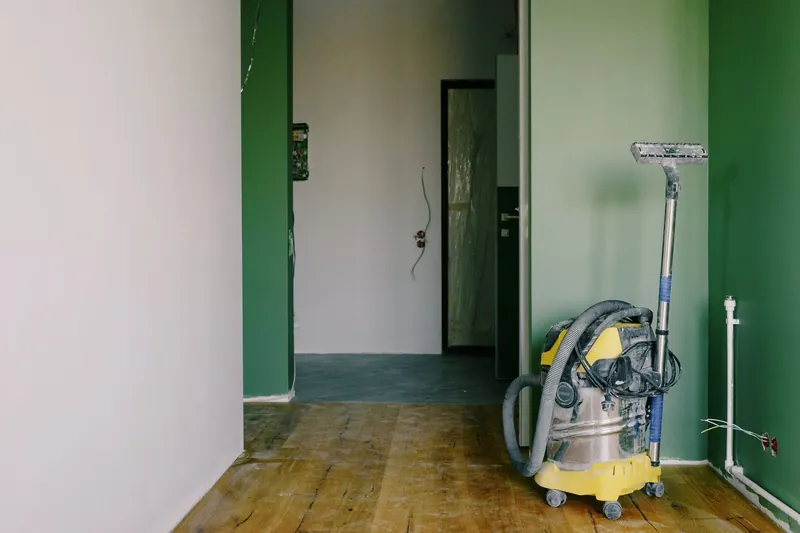
The OSHA Bloodborne Pathogens Standard, 29 CFR 1910.1030, covers training, protective equipment, exposure control and associated work practices where contact with blood is possible.
Only a disinfectant appropriate for the surface and organism should be used. The label directions matter, including dilution, pre-cleaning, safety steps and the full contact time.
Connecticut calls it biomedical waste, and items dripping with body fluids count as infectious waste. The Department of Energy and Environmental Protection's rules control packing, transport and treatment, so it cannot go in household trash.
Connecticut has one statewide death investigation system run by the Office of the Chief Medical Examiner. Cleanup starts after police or the medical examiner release the scene.
The full biohazard cleanup guide covers what is cleaned or removed, odor and air quality work, and the rules that apply in your state.
Read the full biohazard cleanup guide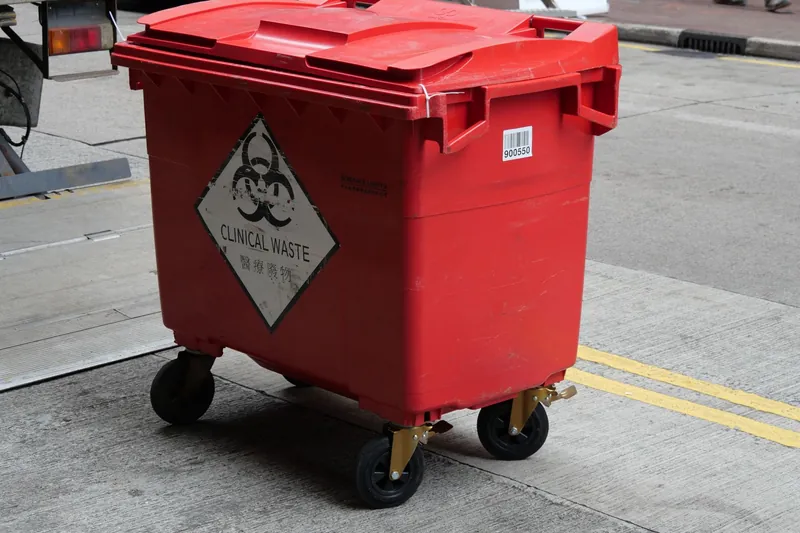
Local population patterns, housing and site access may affect how containment and cleanup are planned.
The 39.6% rental share makes it important to identify the decision maker before porous building materials are removed.
A 1961 median build year points to varied interior finishes, so each affected material needs its own cleaning or removal decision.
There are 2,287 seniors living alone locally, so cleanup communication should be calm, clear, and accessible to distant family members.
Housing at 59.8% single-family occupancy calls for flexible cleanup planning rather than assumptions based on one building type.
Your phone conversation can include questions about service in nearby ZIP codes and communities.
Rooms, surfaces and air receive complete decontamination following infectious or hazardous exposure.
See biohazard decontamination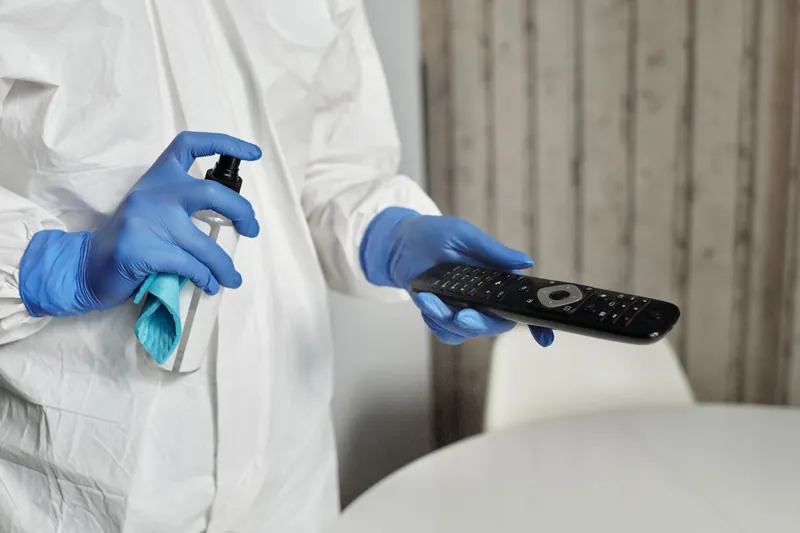
Biological remediation that removes contamination and returns a space to safe use.
See biohazard remediation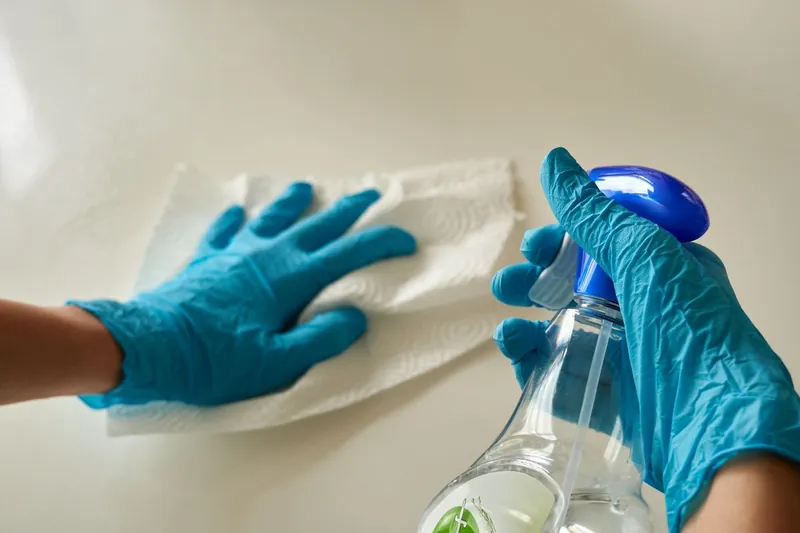
Blood cleanup clears blood from furniture, walls, hard floors and carpet, followed by safe disposal.
See blood cleanup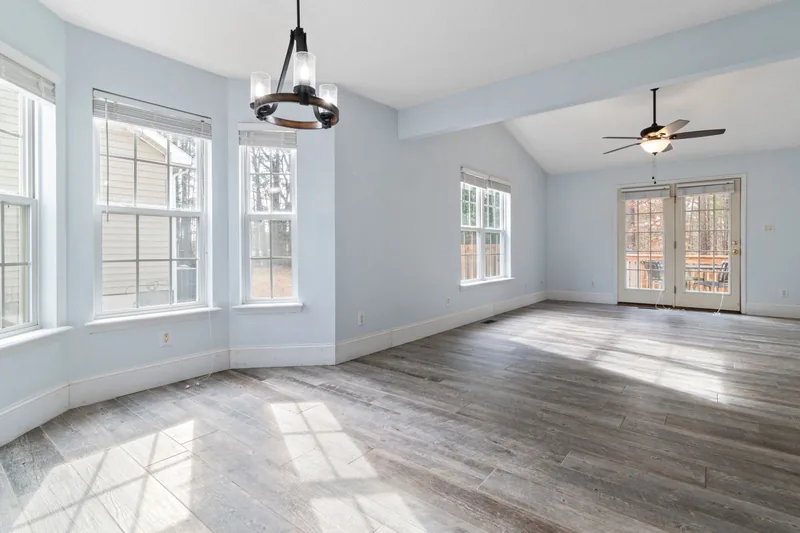
Decomposition cleanup and odor control are needed after a death goes unnoticed for several days.
See unattended death cleanup
Following accidents, violence or injuries, trauma scene cleanup addresses the affected area.
See trauma scene cleanup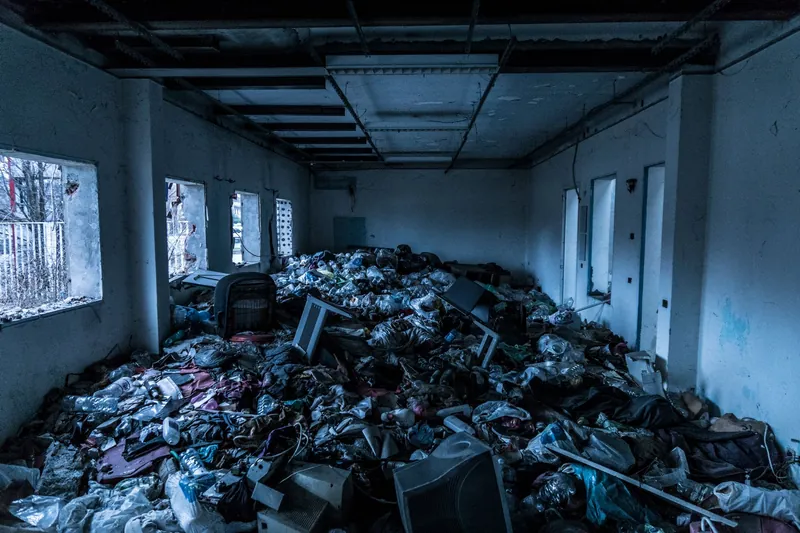
Respectful sorting, item removal and deep cleaning are included in hoarding cleanup.
See hoarding cleanup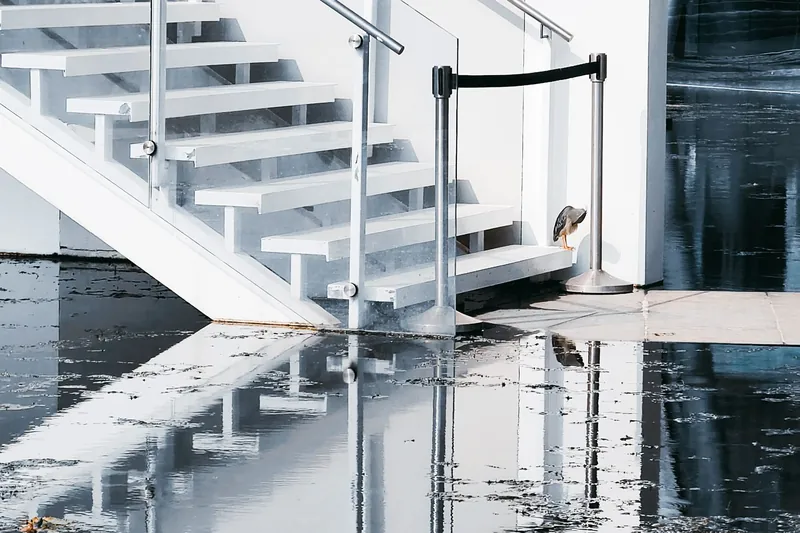
Disinfection and drying follow sewage cleanup of Category 3 black water from raw sewage.
See raw sewage cleanup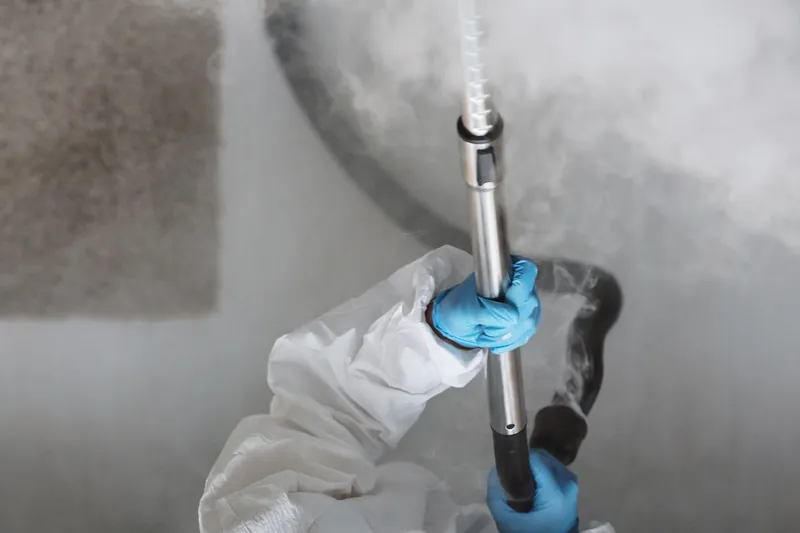
Infectious disease disinfection with EPA-registered products and full surface coverage.
See infectious disease disinfectionWhen cleaners can access every affected side, sealed non-porous furniture may remain after cleaning and disinfection. Removal may be necessary when blood or bodily fluids soak through upholstery into the frame or padding. You can assess meaningful personal property when the area allows, helping separate items that may be cleaned or restored from contaminated contents.
Yes, as long as cleanup identifies and removes the source of the odor. Treating the air may come only after affected drywall, carpet, padding, furniture or similar porous material is taken out. After disinfection and cleaning, workers may inspect nearby vents and use a suitable odor method, including HEPA air filtration, for any smell that remains.
You may be able to clean a few fresh drops from an undamaged non-porous surface by wearing disposable gloves and following an EPA-registered disinfectant label exactly. Avoid attempting cleanup when bodily fluids have soaked into carpet, drywall, furniture or wood, when sharp objects are present, or when the affected area is uncertain.
First, stay out of the affected area and keep other people and pets away. Avoid touching the material or using a broom or vacuum on it. Get emergency assistance for anyone in danger and stay outside any active scene pending release by law enforcement. Arrange professional biohazard cleanup when the spill is not tiny or limited to a hard surface.
It may qualify for coverage when the cause of contamination is an event included in your policy. Coverage depends on the policy and still follows all applicable limits, deductibles and exclusions. Before damaged materials are moved, contact the insurance company, explain the event, record the claim number and ask the adjuster what documents are required.
The deceased is taken from the property by the medical examiner or funeral home, which does not include cleaning the property. Following scene release, a landlord, family member, owner or another responsible person must arrange death cleanup. A biohazard cleaning company can address bodily fluids, contaminated materials, odor and disposal without requiring loved ones to enter the affected room.
Discreet, respectful biohazard cleanup, 24 hours a day, with crews in unmarked vehicles.